Short answer: for feng shui desk placement in a bedroom, give the bed a usable position first, then seat the person with a wall behind them, the door in view and a window to the side where possible. Check the chair, storage and walking routes before treating any position as settled.
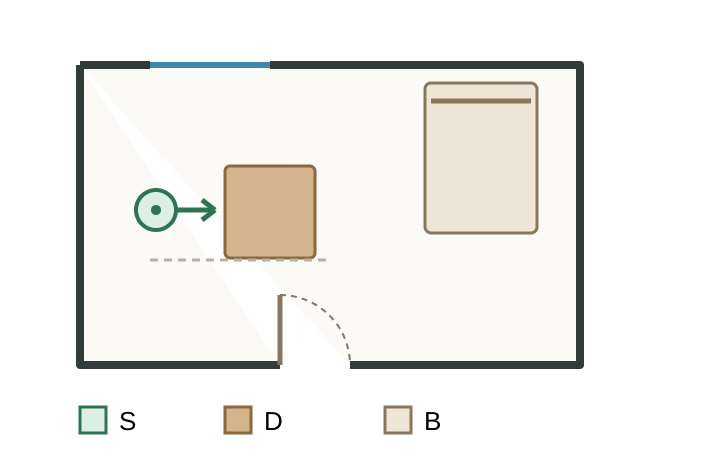
In the diagram, S is the sitter, D the desk and B the bed. The chair is between the left wall and the desk; its arrow points into the room, with the door diagonally ahead and the blue window to one side. These zones need not copy the drawing exactly.
Set the bed before the work area
A bedroom that also serves as a home office has two anchors. Give the bed a usable position and preserve the door-to-bed and door-to-closet routes before adding a desk. Our bedroom layout guide explains that order. The planner’s eight registered feng shui checks concern the bed; there is no independent desk feng shui score. Draw the desk to check room fit, then assess its seated view yourself.
Traditional feng shui favors a desk seat with support behind and the entrance visible. That is a cultural preference, not a promise about career, income or health. Practical questions are observable: Can you see the door, move the chair, read the screen and reach storage without crossing the bed route?
Support the sitter, not the desk's back edge
“Back to a wall” refers to the sitter, not the rear edge of the desk. A desk pushed against a wall may still leave the chair backed by open space. In the diagram the chair faces into the room and the desk projects forward. If that blocks a door or bed route, choose another wall rather than forcing the drawing.
From the chair, locate the door with an ordinary glance. A diagonal view is enough; the monitor need not point at the entrance. If the door must remain behind you, try a modest change in desk angle or a more substantial chair back. Neither turns a window into a wall or changes the planner’s checks.
Feng shui office layout in a real home
A feng shui office layout starts with the seated view. In a separate home office with no bed, begin with the desk and sitter, then place storage and any visitor chair around the entry route. In a bedroom office, protect the bed and its paths first. Then test the door, window, chair clearance, storage and cables in that order. Pull the chair back as you would to stand, rather than judging a neatly tucked chair. Keep a continuous door-to-bed and door-to-closet route even while someone works; static desk fit alone is insufficient.
For the window, side light can illuminate the desk without shining straight into the eyes or behind a monitor. Check morning and afternoon glare at the hours you work; a shade may help. The desk next to a window guide compares closer window positions. Touching a window wall does not give the sitter solid backing.
For storage, keep daily items within reach but off the chair and door routes. Test a cabinet with its doors and drawers open. A closed box can contain papers without making the bed a work surface. Removing a redundant cabinet may free more usable space than shifting the desk a few inches.
For cables, trace the outlet-to-desk route before settling the furniture. Keep loose leads away from the walking line, chair wheels and bed. Check the cable when the chair moves, and keep equipment ventilation accessible. If the only outlet requires a cord across the room, reconsider the desk position before treating a traditional preference as decisive.
Test chair clearance through movement: sit, push back, stand and walk around the chair. Can another person pass and can the wardrobe still open? A large desk with no way to leave the seat is not a functional office. The planner sketches furniture and routes; verify actual chair movement in the room.
Keep work and rest visually separate
Keep papers, devices and chargers in a defined work zone instead of letting the bed become desk storage. A directed lamp and closed box can separate the uses without a divider. If a dark screen faces the bed, check its reflection when off; the bedroom mirror guide treats that separate concern.
A narrow room may need a wall-side desk to protect the route, even with a less ideal seated view. A larger room may offer a better door view but crowd a bedside. Name the trade-off: the traditional idea is a reference, while access, light and chair movement determine daily use.
Sources and scope
This article separates the traditional commanding-position idea from observable room checks. It claims no work outcome from desk orientation. The planner shows desk furniture and room geometry but has no registered desk-specific feng shui rule; verify the screen, chair and door in your room.
Try the arrangement in your room
Open the free bedroom planner, draw the bed, desk, door and window at scale, then check the chair and walking route in person before moving furniture.
Frequently Asked Questions
Where should a desk go in a bedroom?
Place the bed first, then try a seat with a solid wall behind the person, the door in view and enough room to pull the chair back. Keep a usable route to storage and the bed.
Should a bedroom desk face the wall or window?
There is no universal orientation. Side light from a window can be easier to control at a screen; test glare at the hours you work and keep the door in view if the room allows.
Does the planner score desk feng shui?
No. You can place a desk and examine room fit, but the registered feng shui checks concern the bed rather than an independent desk orientation score.
How do I fit a home office into a small bedroom?
Choose one compact work surface, leave space behind the chair, keep cables and storage contained, and preserve the door-to-bed and door-to-closet routes.