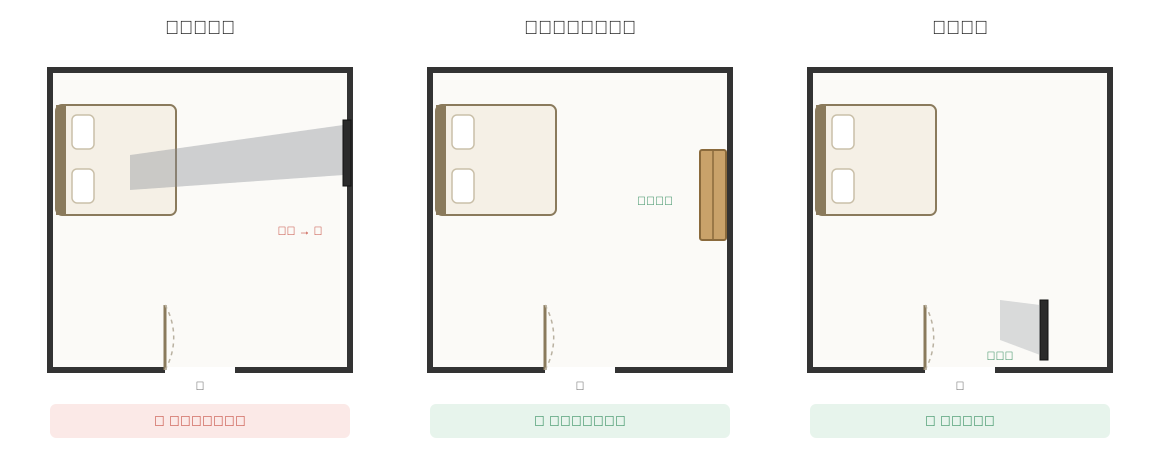
The same bedroom. Only the TV changes. A powered-off screen behaves like a mirror, so the aim is to keep it from reflecting the bed.
Short answer: for feng shui TV placement in a bedroom, treat the dark screen like a mirror. Keep it from reflecting the head of the bed by hiding it in a cabinet, covering it at night, or placing it on a wall it does not face the bed from.
Why feng shui treats a bedroom TV as a "black mirror"
Feng shui usually prefers no television in the bedroom, and the most concrete reason is simple to see for yourself: turn the TV off and look at it in daylight. The dark, glossy screen reflects the room like a mirror. If it reflects the bed, it becomes the same concern feng shui raises about a mirror facing the bed — which is why bedroom TV placement and bedroom mirror placement are really the same question wearing different clothes.
That framing is useful because it turns a vague "TVs are bad in bedrooms" into one practical test you can act on. You are not being asked to give up the TV. You are being asked to keep its screen from mirroring the sleeping area.
The main check: does the dark screen reflect the bed?
Stand or sit at the pillows with the TV switched off and look at the screen. If you can see the head of the bed in it, that is the arrangement to change. If the dark glass shows a wall, a window, or empty floor instead, the placement is already fine.
This is the whole test. A bedroom TV that does not reflect the bed carries little of the concern, and one that does can be fixed in minutes with the options below. As with mirrors, this is a matter of visual calm and tradition, not a claim about your sleep or your health.
Ways to place or hide a bedroom TV
Once you know the screen should not reflect the bed, several arrangements get you there. Pick the lowest-effort one your room allows.
| Option | How it works | What it does not change |
|---|---|---|
| Cabinet with doors | Set the TV in an armoire or media cabinet and close the doors at night | The cabinet takes floor or wall space |
| Cover at night | Drape a light cloth or throw over the screen before bed | Only works while the TV is off and covered |
| Side-wall placement | Mount or stand the TV where the off screen does not face the bed | You may lose the straight-on viewing angle |
| Lift or panel | Use a cabinet lift or sliding panel that conceals the screen | A higher-cost, more permanent solution |
A small but real safety note: never drape a cloth over a TV that is switched on or still warm, and keep any cover clear of the vents. If you wall-mount the screen, use a bracket rated for its weight and fixed into studs, especially above or near a bed.
When the TV has to stay where it is
Sometimes a rental setup, a single cable outlet, or a shared room fixes where the TV lives. If it must sit facing the bed, lean on the reversible options: a cabinet with doors or a nightly cover both remove the reflection without moving the set. These reduce the interference; they do not pretend the screen is gone, and it is fair to describe them that way.
Common mistakes to avoid
- Focusing on the TV being "on." The feng shui concern is the off screen acting as a mirror, so check the reflection, not just viewing habits.
- Covering a warm TV. Never drape fabric over a screen that is powered on; wait until it is off and cool, and keep vents clear.
- Over-mounting above the bed. A heavy screen fixed poorly above a headboard is a safety risk. Use a rated bracket and studs, or place it elsewhere.
- Expecting a sleep or health benefit. Moving a TV can make a room feel calmer and remove a reflection. It is not a treatment for rest, focus, or anything medical.
Sources and scope
This guide reflects common feng shui practice that treats a dark screen as a reflective surface, the same idea covered in mirror guidance such as LivingEtc and Tom's Guide. It is a Form-school idea about what a surface reflects, not a compass or birth-date method. We separate tradition, everyday comfort, and safety, and we make no sleep, health, or luck claims about a bedroom television.
Check the screen against your real bed
The reflection depends on where your bed and TV actually sit. Draw your bedroom in the free planner to lock the bed into a good position first, then judge whether the off screen would catch it — the same way you would check a mirror.
常见问题
Is it bad feng shui to have a TV in the bedroom?
Feng shui generally prefers no TV in the bedroom, mainly because a dark screen acts like a mirror and reflects the bed. If you want a bedroom TV, the practical fix is to stop the screen from reflecting the sleeping area: hide it in a cabinet, cover it at night, or place it on a wall it does not face the bed from.
Where should a TV go in a feng shui bedroom?
Put a bedroom TV where the powered-off screen does not reflect the head of the bed. A cabinet with doors, a side wall out of the reflection line, or a lift or panel that hides it all work. The goal is the same as with a mirror: the bed should not appear in the glass.
Why is a TV called a black mirror in feng shui?
When a TV is off, the dark glossy screen reflects the room much like a mirror. If it reflects the bed, feng shui treats it as the same concern as a mirror facing the bed. That is why bedroom TV guidance and bedroom mirror guidance overlap so closely.
How can I cover a bedroom TV at night?
Drape a light scarf, throw, or cloth over the screen before bed, or place the TV inside an armoire or cabinet and close the doors. Both remove the reflection while you sleep and are easy to undo. Keep any cover clear of vents so the TV is not covered while powered on and warm.
Does a TV in the bedroom actually affect sleep?
We do not make sleep or health claims. What feng shui addresses here is visual: a screen reflecting the bed can feel unsettling, and a prominent dark rectangle keeps a room from feeling restful. Hiding or repositioning the screen is about calm and reflection, not a medical outcome.