Feng Shui Plants in the Bedroom

2026/08/01

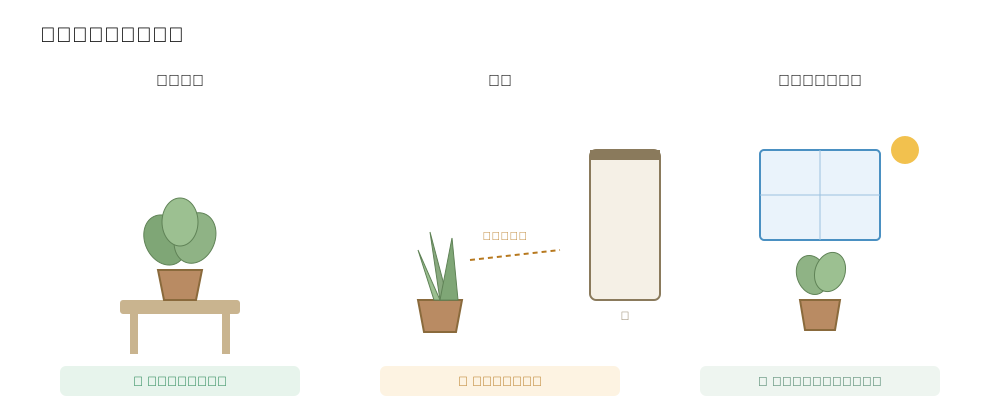
Three notes on bedroom plants: rounded leaves placed to the side are calm, spiky leaves are best kept from pointing at the bed, and every plant needs the right light

The feng shui advice on bedroom plants conflicts, so the useful version is practical: rounded leaves, the right light, pet safety, and sharp tips kept off the bed.

Short answer: feng shui advice on plants in the bedroom conflicts, so treat it as a preference, not a rule. If you want plants, choose healthy ones with rounded leaves, match them to your room's light, check they are safe for pets, and keep sharp, pointed foliage from aiming at the bed.

Why the advice conflicts

If bedroom plants confuse you, it is not you — the guidance really does disagree. Some feng shui traditions treat plants as active, growing energy that is too lively for a room meant for rest, and suggest keeping them out of the bedroom. Others welcome a few plants for a sense of calm, life, and cleaner air. Studio and small-space guides often split the difference: fine in a living area, kept lighter around the sleeping spot.

Because there is no shared rule here, this is a preference rather than a taboo. That is actually freeing: instead of hunting for the "correct" answer, you can make a practical choice you will enjoy and can maintain. The rest of this guide is the part the traditions do not fight about.

The practical version that actually helps

Strip away the symbolism and a few sensible points remain, and they are the ones worth acting on.

  • Prefer rounded, soft leaf shapes. Plants with gently rounded, curved leaves feel calmer in a bedroom. It is a common feng shui preference and an easy one to follow.
  • Keep sharp, pointed leaves off the bed. Spiky, blade-like foliage aimed directly at the bed is a traditional thing to avoid, in the same family as pointing any sharp shape at the sleeping area. Turn such a plant so its points face away, or place it across the room.
  • Match the plant to your light. A bedroom is often dimmer than other rooms. Choose plants that tolerate the light you actually have; a low-light-friendly plant in a dim room beats a sun-lover that slowly declines.
  • Check pet and allergy safety. Some common houseplants are toxic to cats and dogs, and a few can bother allergies. This is a real safety and comfort point, not a superstition, so check before you buy if you have pets.
Aim forWhyWatch out for
Rounded-leaf, healthy plantsCalm shapes suit a restful roomSharp, spiky leaves aimed at the bed
Plants matched to your lightThey stay healthy and look their bestSun-lovers in a dim room
A small number, off to the sideKeeps the sleeping area unclutteredCrowding the head of the bed
Pet-safe speciesAvoids a genuine hazardToxic plants where pets reach them

Keep them healthy — the one point everyone shares

Across every version of the advice, one idea is consistent: a dying or decaying plant does not belong in a bedroom. A wilting plant reads as neglect and works against the calm you are after. So if a plant is struggling, move it somewhere it can recover or replace it. Healthy, well-kept plants are the whole point; a shelf of half-dead ones is worse than none.

Placement and the rest of the room

Plants are a finishing touch, not the foundation of a bedroom. Where the bed sits — head on a solid wall, door in view, clear of windows and reflections — shapes how the room feels far more than a plant does, and it is the part of feng shui with the widest agreement. Get that right first with our guide to feng shui bed placement, then add greenery you enjoy.

Common mistakes to avoid

  • Treating a conflicted preference as a hard rule. Whether to have bedroom plants at all is genuinely debated; choose what you like and can keep alive.
  • Ignoring light and ending up with sad plants. A struggling plant undoes the calm you wanted. Match the plant to the room.
  • Skipping the pet check. Toxicity to cats and dogs is a real hazard; verify before buying.
  • Buying a plant for luck. We make no wealth, luck, or sleep claims. Enjoy plants for how they make the room feel, not for fortune.

Sources and scope

This guide reflects the genuinely mixed feng shui guidance on bedroom plants, alongside practical points on leaf shape, light, and pet safety. The preference for rounded leaves and against sharp shapes aimed at the bed is traditional; the care, light, and toxicity points are ordinary plant sense. We separate tradition, everyday comfort, and safety, and we make no wealth, luck, or health claims about bedroom plants.

Sort the layout, then add greenery

Plants work best in a room that already feels calm. Draw your bedroom in the free planner to get the bed and layout right first, then place a healthy, well-matched plant or two where you will enjoy them.

常见问题

Are plants good or bad feng shui in the bedroom?

The advice genuinely conflicts. Some traditions treat plants as too active for a room meant for rest, while others welcome a few for calm and cleaner air. Neither side is a safety rule, so treat it as a preference. If you like plants, a small number of healthy, rounded-leaf plants placed with a little care is a reasonable middle ground.

Which plants are best for a feng shui bedroom?

Look for healthy plants with rounded, soft-shaped leaves rather than sharp spikes, and match them to the light your room actually gets. Low-light-tolerant plants suit dim bedrooms. The healthiest, easiest-to-keep plant for your conditions is a better choice than a specific 'lucky' species.

Should plants be kept away from the bed in feng shui?

It is a common preference not to crowd the head of the bed with plants, and to keep sharp, pointed leaves from aiming directly at the bed. Placing plants on a dresser or across the room, with soft-shaped foliage near the sleeping area, keeps the room calm without banning plants entirely.

Do bedroom plants need special care to be good feng shui?

The most practical rule is to keep them healthy. A wilting or dying plant is the one thing most traditions agree does not belong in a bedroom, so replace or remove plants that are struggling. Good light, sensible watering, and checking that a plant is non-toxic to any pets matter more than its symbolism.

Do bedroom plants attract wealth or improve sleep?

We make no such claims. A plant can make a room feel more pleasant and cared for, and some help with humidity, but we do not promise wealth, luck, or better sleep from a bedroom plant. Choose plants because you enjoy them and can keep them healthy.

Feng Shui Bedroom

Feng Shui Bedroom